
Vedic Astrology Coaching™
Understand + Visualize Change + Time Action + Act = Success
The Right Timing Changes Everything
Vedic Astrology Coaching combines the timeless wisdom of Vedic astrology with practical coaching to help you make clearer decisions, understand yourself more deeply, and move forward at the right time. Your birth chart can reveal natural strengths, repeating patterns, relationship dynamics, career themes, and important life cycles. When these insights are paired with focused coaching, they become a powerful guide for real-world progress.
Many people seek this service when they feel uncertain, stuck, or ready for meaningful change. Instead of forcing outcomes or second-guessing every move, you gain perspective on what season of life you are in, what opportunities are opening, and where your energy is best invested now. Through understanding, visualization, and timed action, you can begin working with life’s natural rhythm rather than against it.
Clients often leave sessions feeling validated, clear, and energized with practical next steps they can trust. Whether you are navigating relationships, career shifts, business goals, or a new chapter of personal growth, Vedic Astrology Coaching offers insight you can use immediately.
Ready to move with confidence and better timing? Book Your Vedic Astrology Coaching Session Today
-
Understand
Our lives are a reflection of our inner world. Our language and self-talk play a significant role, as words carry energy that shapes our experiences. Beyond the mental aspect, our actions solidify our reality. By taking intentional steps toward our desires, we bridge the gap between thought and manifestation.
Spiritual and metaphysical traditions emphasize that we exist in a co-creative universe where consciousness interacts with the quantum field, shaping matter and experience. Ultimately, by becoming aware of our mental patterns, emotional states, and behaviors, we reclaim our power to consciously shape the reality we live in.
-

Visualize
Creating a new life begins with the power of imagination. When combined with intention and emotional alignment. The mind cannot distinguish between vividly imagined experiences and reality, making visualization a powerful tool for transformation.
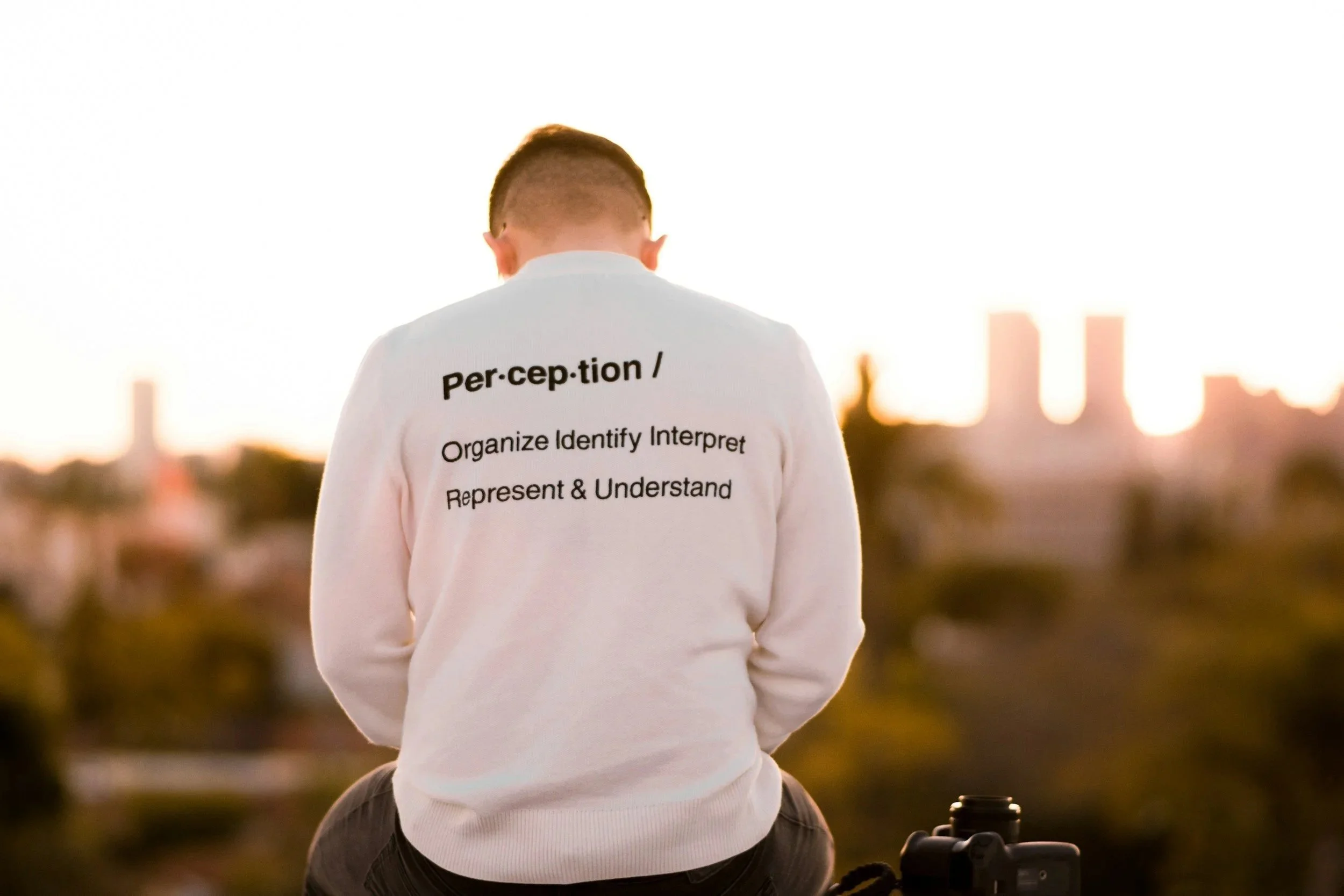
We create our reality through a combination of thoughts, beliefs, emotions, and actions. Every experience we have is filtered through our perception, which is shaped by our subconscious programming, cultural conditioning, and personal expectations.
The mind acts as a lens, interpreting external events based on internal narratives, reinforcing what we already believe to be true. This is why two people can witness the same event but perceive it differently.
-

Time
Astrological timing helps align our goals with the natural cycles of the cosmos, enhancing the flow of energy and increasing the likelihood of success.
The movement of planets influences different aspects of life. By working with these energies, we can make wiser decisions and take action at optimal moments. By syncing our actions with astrological timing, we harness the universe’s support, reduce resistance, and move toward our goals with greater ease and alignment.
-

Action
Creating our own reality empowers us to live with purpose and fully own who we are with self confidence.
By managing our thoughts, emotions, and actions, we stop reacting to life and start shaping it. Rather than being limited by external and internal circumstances, we align with our true desires and manifest opportunities that resonate with our highest potential.
This process fosters self-awareness, confidence, and resilience, allowing us to navigate challenges with grace.
Ultimately, creating our reality leads to a more meaningful, joyful, and empowered life.
Your Questions Answered
-
Coaching is a process of providing instruction, direction, feedback, and support to clients in order to reach client goals.
-
Coaching provides a supportive and safe space to explore your thoughts, goals, and life direction with greater clarity. It helps the client step out of their regular thinking patterns, creating new perspectives. From this new vantage point, you can create practical steps toward meaningful change. Many people find that coaching strengthens self-awareness, confidence, and decision-making.
-
The Vedic astrology coach works with the client using principles of natural timing cycles related to the past, present, and future to help expand the client’s awareness and improve choices for better outcomes.
-
Coaching is a forward-focused process that helps individuals clarify goals, improve self-awareness, and take meaningful action toward personal and/or professional growth. It emphasizes insight, accountability, and practical steps for creating positive change.
Mentoring is a guidance relationship in which a more experienced person shares knowledge, advice, and perspective to support another person’s development. It often focuses on learning from experience and building skills within a specific field or area of life.
Counseling is a supportive process that helps individuals navigate personal challenges, life transitions, or specific problems. It typically focuses on emotional support, practical guidance, and developing healthier perspectives or solutions.
Therapy is a professional mental health service that helps individuals work through emotional, psychological, or behavioral challenges. It often focuses on healing past experiences, managing mental health conditions, and developing healthier coping strategies.
-
Coaching is helpful if you are going through a life transition, making a career change, improving performance, or stepping into a new you! Coaching provides insights, guidance, and support as you move forward in life. A consultation or first session can help you determine if it feels like the right fit.
-
Yes, coaching sessions can be conducted remotely through Zoom video. This allows clients to participate from the comfort of their own home. Many people find online sessions convenient and just as effective as in-person meetings.
-
Email us and say you are interested in Vedic astrology coaching!
-
Many people experience greater clarity, self-awareness, and confidence in their decisions. Coaching can help reveal patterns and opportunities that may not have been obvious before. The results often include a stronger sense of direction and practical steps forward.
-
The number of sessions varies depending on your goals and what you would like to explore. Coaching is flexible and is tailored to your needs.
-
Coaching supports many areas of life including personal growth, career direction, relationships, life transitions, and decision-making. It helps people better understand their patterns and choices.
-
Each session is tailored to a client’s individual needs and through conversation, questions, and insight, we work together to uncover patterns, possibilities, and practical next steps. The intention is to help you leave the session with greater clarity and direction.
-
No special preparation is required. It is helpful to come with an open mind and a sense of what you would like to discuss. Some clients also like to keep notes or a journal during the coaching process.
-
Sessions vary depending on a client’s needs. Many clients choose to schedule sessions every two to four weeks, depending on their goals and availability. Regular sessions allow time for reflection and integration between meetings.
-
Yes, coaching sessions are conducted in a confidential and respectful environment. Personal information and discussions are kept private. This allows clients to speak openly and explore their thoughts comfortably.